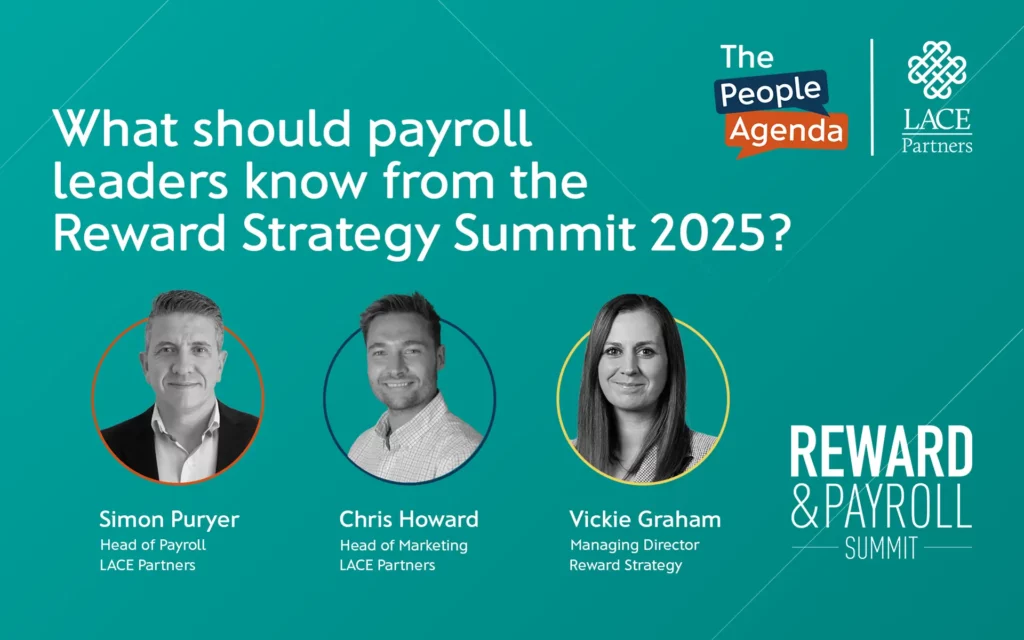

Well-designed incentives can transform organisational performance however, poorly designed ones can quietly undermine strategy, culture, and results. In this episode of The People Agenda podcast host Chris Howard and LACE reward specialists, Julie Elder and Mike Aldred as they explore how organisations can design incentives that genuinely drive the behaviours they want. They discuss why incentives matter, the most common structures companies use, and how leaders can align reward programmes with business strategy to maximise impact.
Why do organisations design incentive programmes?
Organisations use incentives to help align employee behaviour with business strategy. When employees can clearly see how their performance connects to rewards, they are more likely to focus on the priorities that matter most to the organisation.
Well-designed incentive plans support strategic objectives and motivate employees to achieve measurable outcomes, such as increasing revenue, improving productivity, or supporting strategic change. They also encourage accountability by tying rewards directly to performance.
If organisations start to see a disconnect between performance goals and the rewards employees receive, they often review or redesign their incentive plans. In practice, the most effective programmes usually include a mix of short-term and long-term incentives to balance immediate results with long-term success.
What types of incentives do organisations typically use?
Short-term incentives are often used across broader employee populations, while long-term incentives are usually reserved for senior leaders or critical talent roles. Below are some incentives organisations typically use:
- Short-term incentives: annual bonuses linked to financial or operational targets
- Long-term incentives: multi-year rewards tied to sustained performance
- Cash incentive plans: common in smaller or private companies
- Equity-based plans: shares or share options used in larger or listed organisations
- Sales incentives: targeted schemes designed for revenue-generating roles
What makes an incentive plan effective?
Effective incentive plans work best when they are closely aligned with an organisation’s strategy and clearly understood by employees. The design should support the behaviours and outcomes that leadership wants to prioritise.
However, over time, incentive plans can gradually move away from their original strategic purpose, especially as business priorities change. Regular reviews help ensure that these plans continue to support the organisation’s evolving goals. This raises an important question: how can organisations make sure their incentive programmes remain effective?
- Incentives should directly support business strategy and key performance metrics
- Targets must be measurable, achievable, and clearly communicated
- Reward outcomes should feel fair and transparent to participants
- Organisations should balance multiple incentives as part of a wider reward strategy
- Periodic reviews help prevent misalignment between incentives and business goals
When should organisations review or redesign incentives?
Organisations should review their incentive plans regularly to make sure they stay aligned with business strategy and organisational priorities. As companies go through strategic shifts, different growth stages, or structural changes, incentive programmes may need to be updated or redesigned. Without regular review, these programmes can lose their impact or stop encouraging the behaviours the organisation wants to see.
In many cases, organisations review their incentives every two to three years, or sooner if there are major changes in the business. Events such as mergers and acquisitions, or organisational restructures often prompt companies to reassess their plans. Similarly, rapid growth or new market strategies may require updated performance metrics.
Employee feedback can also reveal when current incentives are unclear or no longer motivating. By regularly reviewing how different reward elements work together, leaders can ensure their incentive programmes remain effective and continue to support organisational goals.
Incentive design sits at the heart of an effective reward strategy. When done well, it aligns people, performance, and business outcomes in a powerful way. If you want to hear the full discussion and deeper insights from reward experts, listen to this episode of The People Agenda podcast for practical examples and real-world perspectives on designing incentives that work.