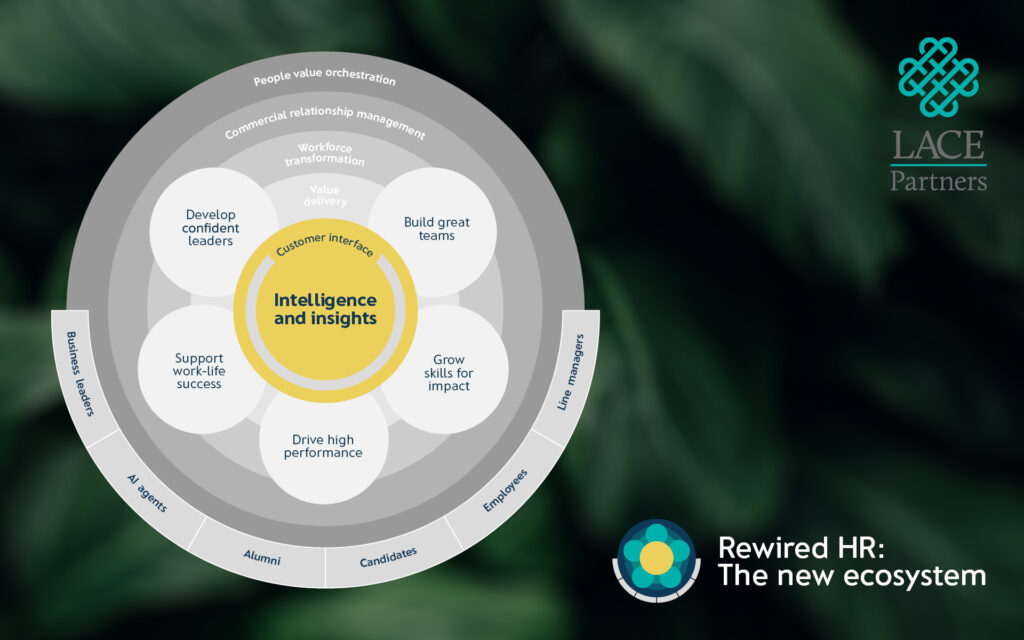

 Most organisations are adding AI to HR. Leaders are redesigning HR around AI.
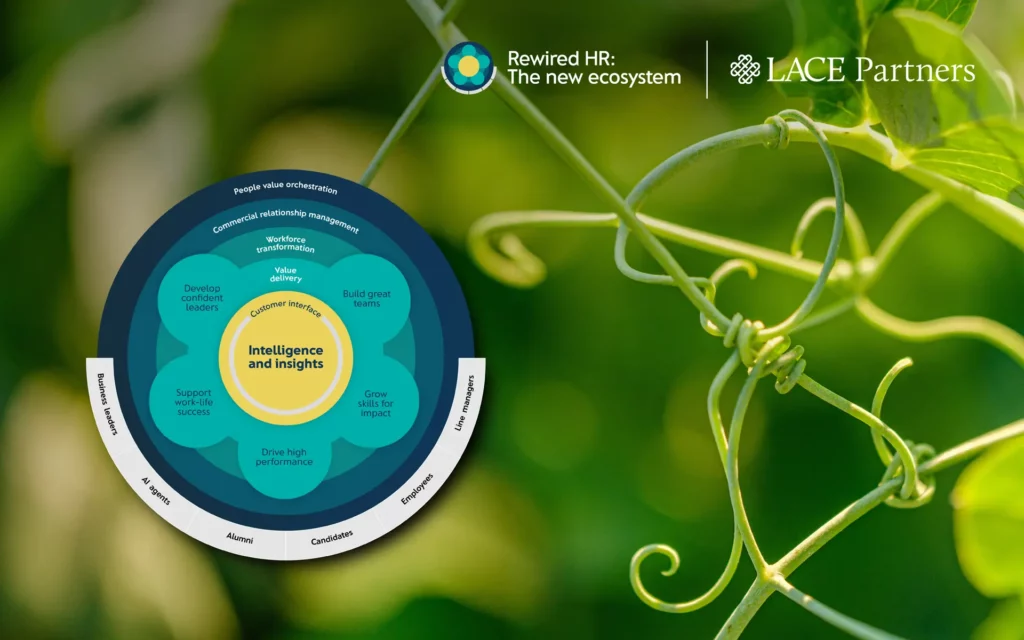
For all the noise about AI and HR, the real transformation in HR is happening underneath the surface: a shift to an operating model where humans and AI agents work together side-by-side as a network.
This isn’t “AI added on”. It’s AI by design, running on governed HR data, grounded in approved knowledge, and built to deliver outcomes, not tasks. Done well, it makes decision making more consistent, processes faster, and experiences feel genuinely personal.
Here’s what that model looks like in practice – and why it matters.
Meet your new team: The AI teammates behind the scenes
In a networked model, work isn’t passed around. It flows; planned, monitored, and executed by a set of AI teammates built for different roles.
What is an AI agent?
An AI agent is not a chatbot. It can act on your behalf to achieve a goal. Instead of answering questions like a chatbot, it can make decisions, take actions, and complete tasks by interacting with tools, data and software. Multiple AI agents can then work together, each responsible for a different set of tasks.
Key types of AI agent:
The Orchestrator: The system’s flight controller
This type of agent keeps everything on track and oversees the entire journey. It understands intent, risk, context, and policy, decides the next step, calls the right specialist agent, and knows when to bring in a human.
Think: programme manager + air traffic controller + policy guardian.
Enabler agents: The specialists
This is not one agent, but many different agents, each designed to perform specific, repeatable tasks incredibly well:
- Draft a contract
- Classify a case
- Build a job description
- Match a candidate to a role
- Onboarding coach for a new starter and manager
They’re bounded, reliable, and fast.
Monitoring agents: the system conscience
They ensure agents operate within defined guardrails by monitoring:
- Bias
- Model drift
- SLA breaches
- Repeated rework
- Policy conformance
They don’t just alert; they produce evidence and explain “why this was allowed”.
How your AI agents work together
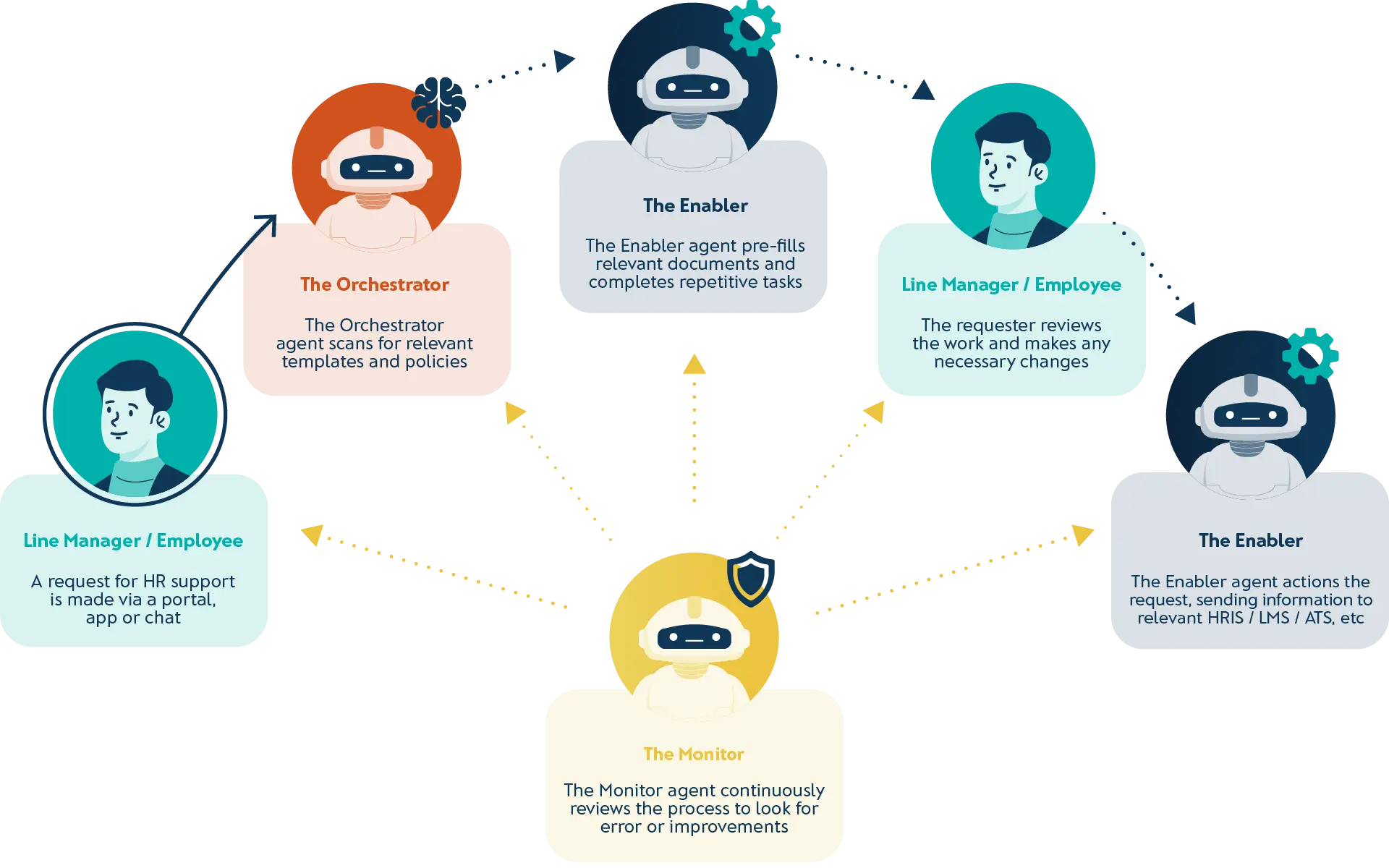
- The Orchestrator interprets the request and determines the next step
- The Enabler drafts the documentation and updates the HR system
- The Monitoring Agent checks policy compliance
- A human approves, if required.
Knowledge and insight services: the intelligence layer
How work flows in an AI + Human network
- Tier 0 – Explain only: safe, reversible
- Tier 1 – Propose + require approval: human signoff
- Tier 2 – Auto-execute: within defined guardrails
What it looks like on the ground
1. Join and thrive: The new standard for onboarding
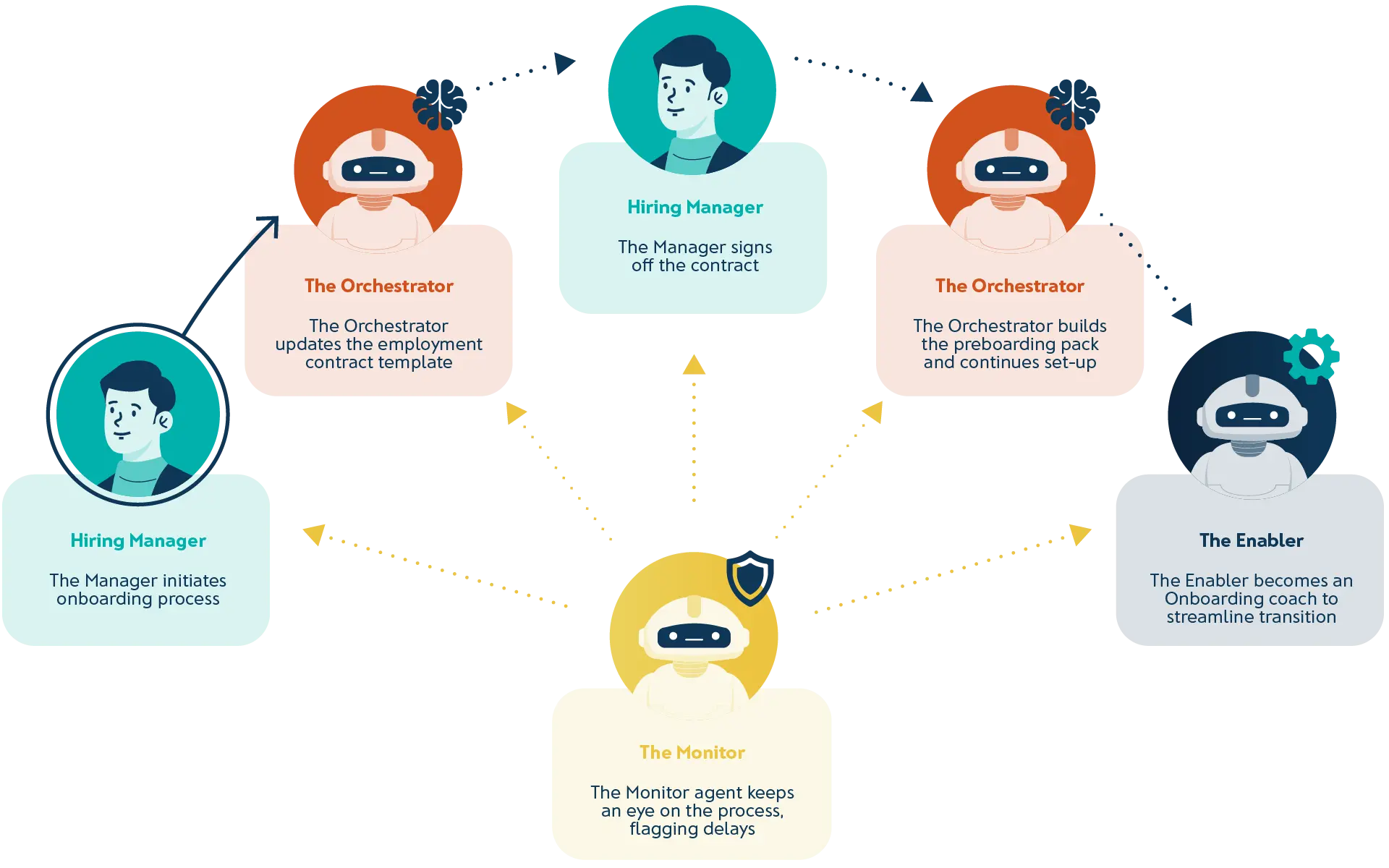 Click the image to view full screen
2. Employee Relations: consistent decisions, reduced risk
Click the image to view full screen
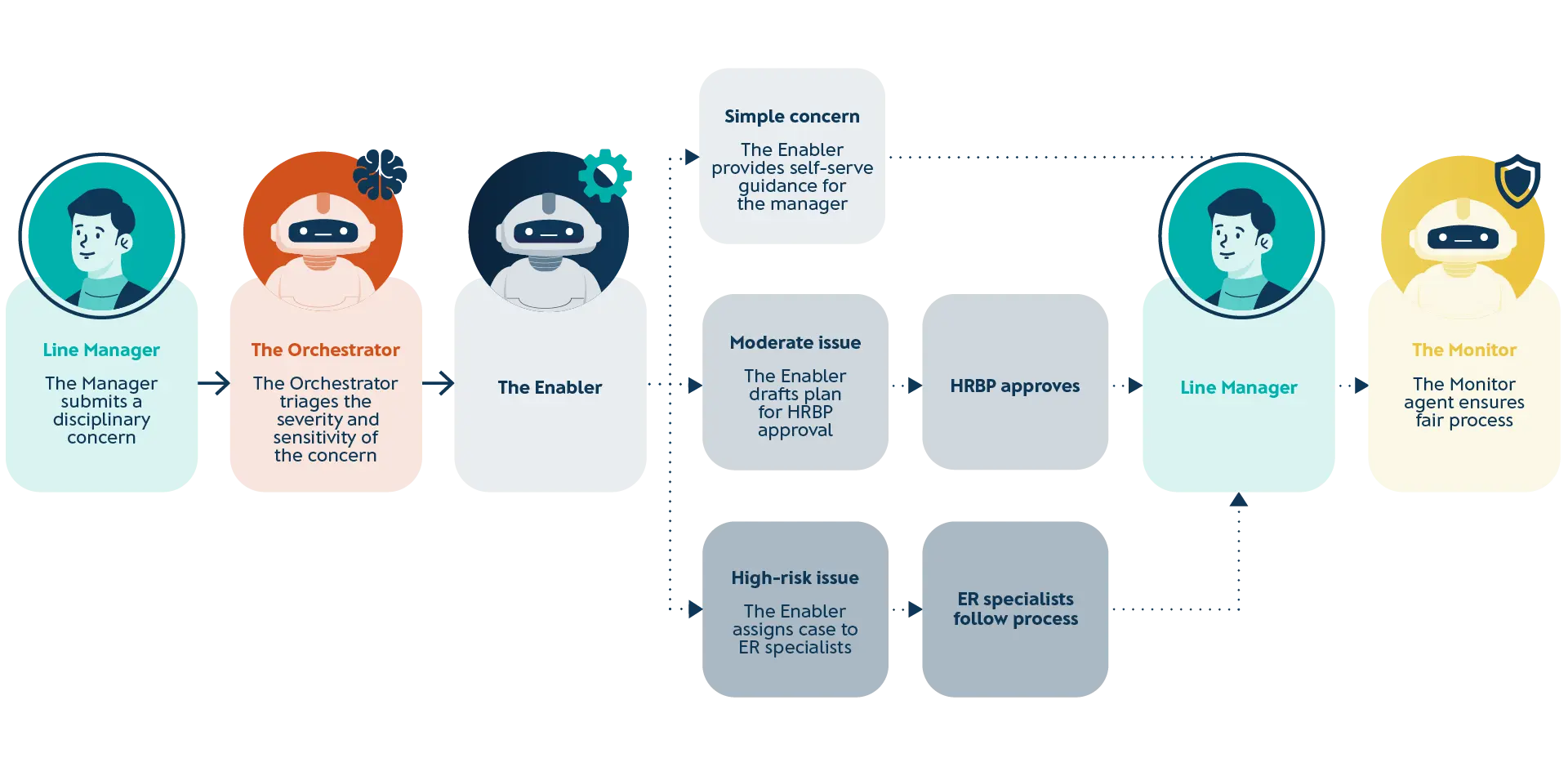
A manager raises a disciplinary concern about someone in their team. In a normal process, HR reviews policies, checks previous cases, and drafts documents manually while coordinating next steps with managers and/or legal. Much of the process sits across inboxes, documents, and spreadsheets.
The Orchestrator labels severity, relevant policy, and legal sensitivity and decides next steps.
The Enabler completes the desired actions:
- simple concern → provides self-serve guidance for the manager
- moderate issue → drafts plan for HRBP approval
- high-risk issue → automatically assigns to ER specialists
The Monitoring agent compares the case with past decisions and flags any potential bias.
This isn’t about replacing ER. It’s about ensuring fair, consistent outcomes for employees and the company.
3. Internal mobility: talent moves faster
 Click the image to view full screen
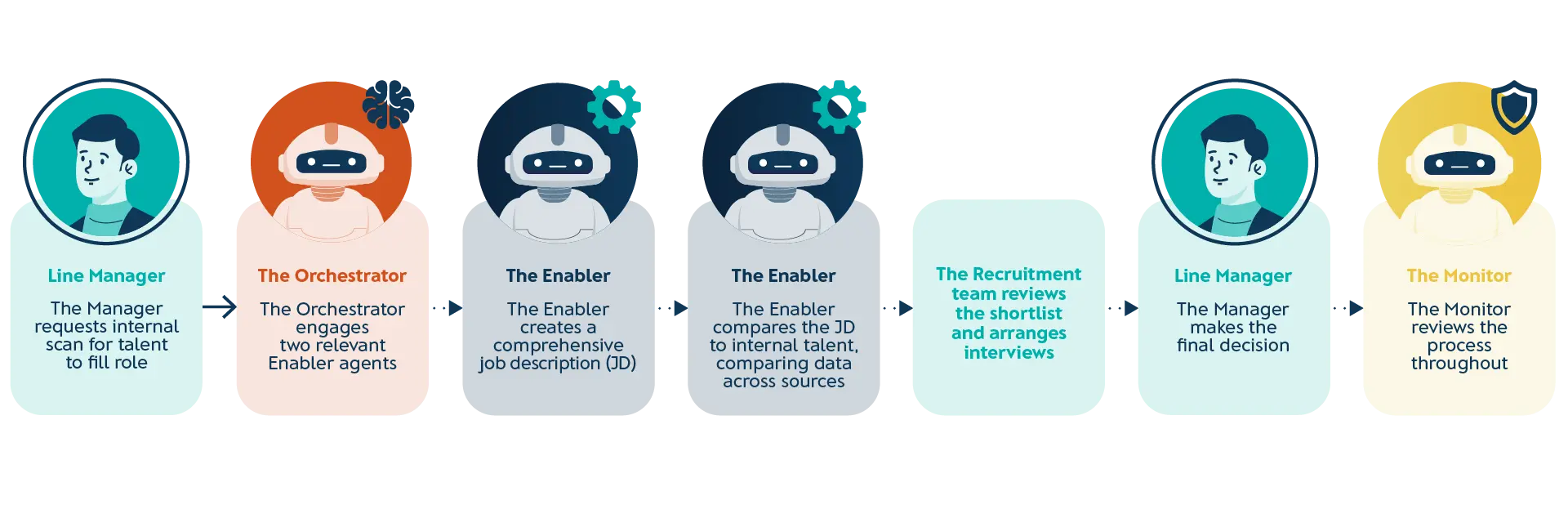
A new project starts and a role needs to be filled. Traditionally, HR drafts a job description and posts the role, while Talent teams or Business Partners search succession plans and talent lists for potential internal candidates. Much of this relies on who people know or remember and strong internal talent can easily be missed.
In the future, the AI + Human network helps surface the right talent much faster.
The Orchestrator calls two Enabler agents:
First the JD Builder, which creates a clear, inclusive job description based on the role, skills needed, and market benchmarks.
Then comes the Matcher; scanning the organisation and identifying internal candidates – not just by job title, but by skills, adjacent experience, career trajectory, and real evidence of performance
Recruiters still curate the shortlist. Hiring managers still make the final decision.
But every match is explainable, and internal talent is much easier to find and move where it’s needed most.
4. Compliance learning: relevant, not spammy
- The Monitoring agent identifies the regulatory change and assesses impact
- Two Enabling agents are triggered:
- The Audience Builder identifies the employees who are actually affected
- The Content Condenser creates short, role-relevant micro-lessons
- The Monitoring agent tracks completion, fairness, and the effectiveness of reminders
The guardrails that make this safe
- The right people can access the right data
- Sensitive information is protected
- Every decision can explain why it was made
- Different levels of automation depending on risk
- Every action is tracked and monitored
The metrics that actually move
- Faster time to offer and time to day one
- Quicker case resolution, matched to the level of risk
- More employee requests resolved automatically with high satisfaction
- Fairer decisions in hiring and employee relations
- Processes that are easier to audit
- Lower cost to deliver HR services