In brief
- Why the ‘killer Bs’ of strategic workforce planning often create confusion rather than clarity
- How to refocus SWP on real business problems and outcomes
- Practical examples of SWP driving cost control, risk reduction and delivery
Strategic workforce planning is full of familiar frameworks, tools and buzzwords. Build, buy, borrow and beyond. But too often, organisations invest time in models and processes without seeing real business impact.
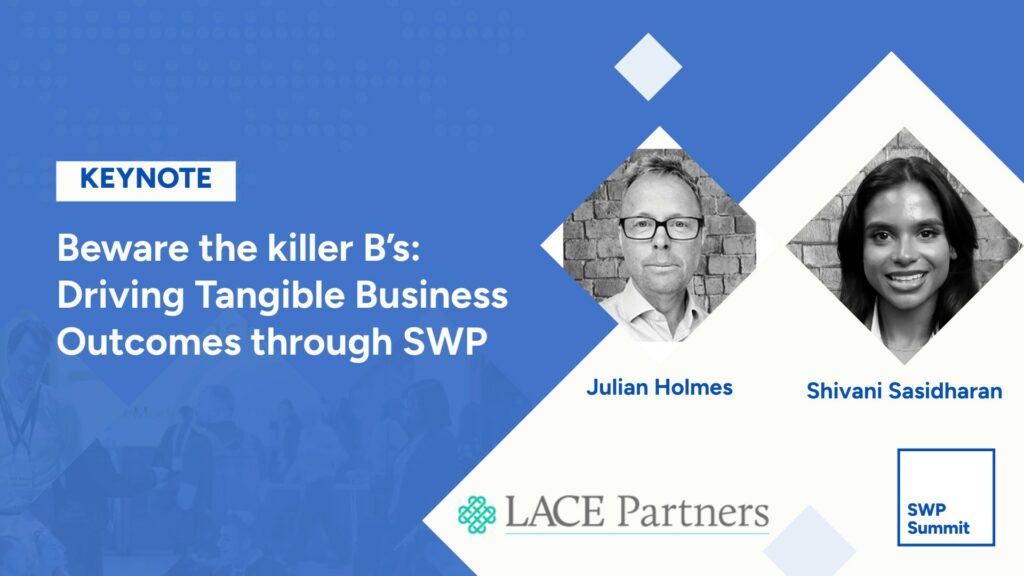
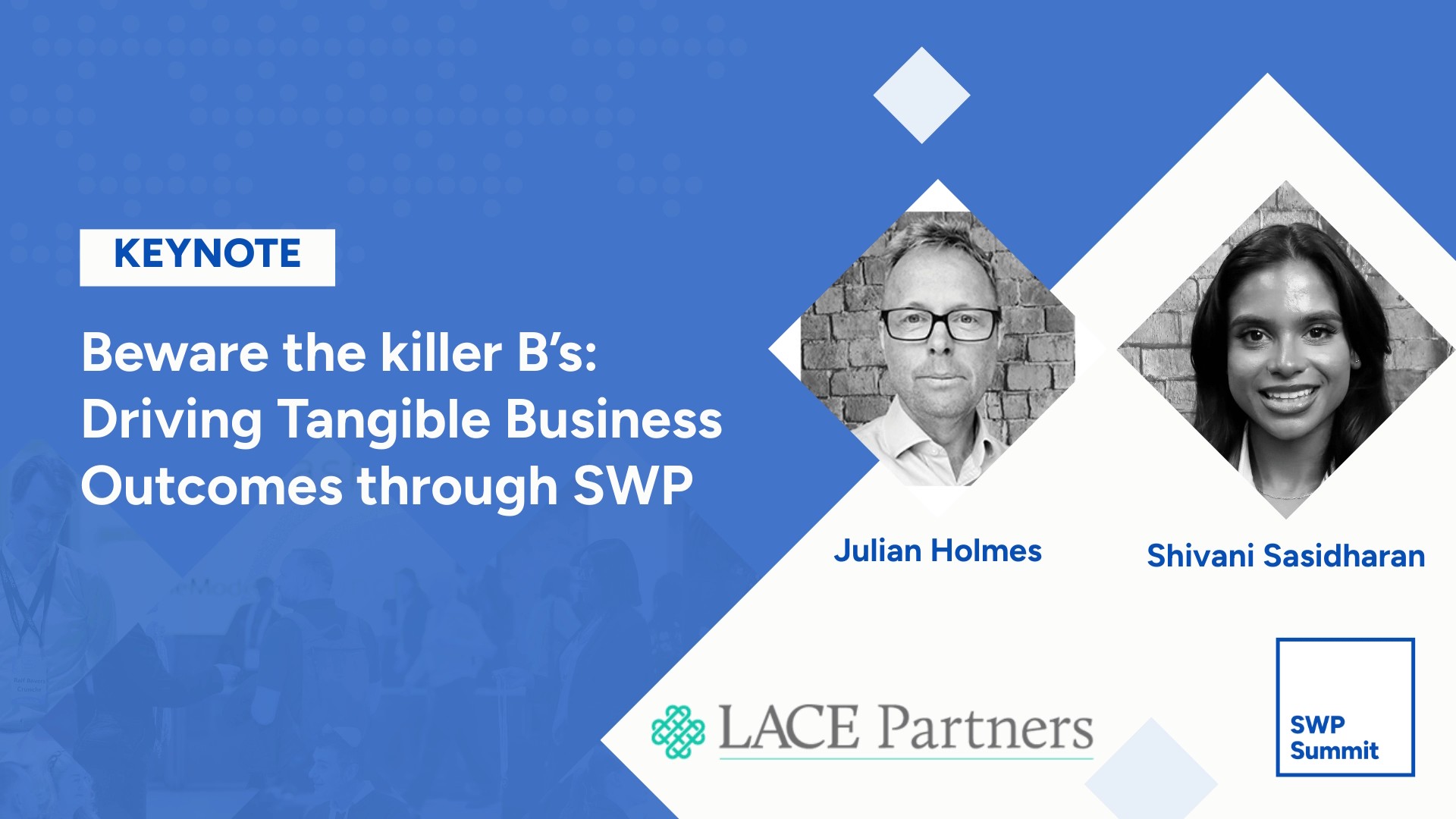
In this session from the SWP Summit, LACE Partners explore why many strategic workforce planning initiatives stall, and what to do differently. Rather than starting with data, systems or frameworks, the focus shifts to the business problems that actually matter. Cost pressure, workforce risk, delivery constraints and capability gaps are where SWP delivers value when it is applied with intent.
Strategic workforce planning should start with the business problem you are trying to solve, not the framework you want to use.
Shivani Sasidharan, Director at LACE Partners
Through real client examples, the speakers show how reframing SWP around outcomes helps organisations move from theoretical plans to decisions that stick. You will hear how integrating people, finance and strategy changes the conversation, and how practical interventions like workforce mix decisions, internal mobility and skills development can unlock results.
This is a must‑watch for HR, workforce planning and transformation leaders who want SWP to influence decisions, not sit on the shelf.