In brief
- SWP works best when it starts with the business outcome, not the process or the tooling
- Workforce shape (skills, structure, leadership capability) matters more than headcount or cost
- AI has compressed planning cycles from annual to near-continuous, and changed what “the plan” needs to account for
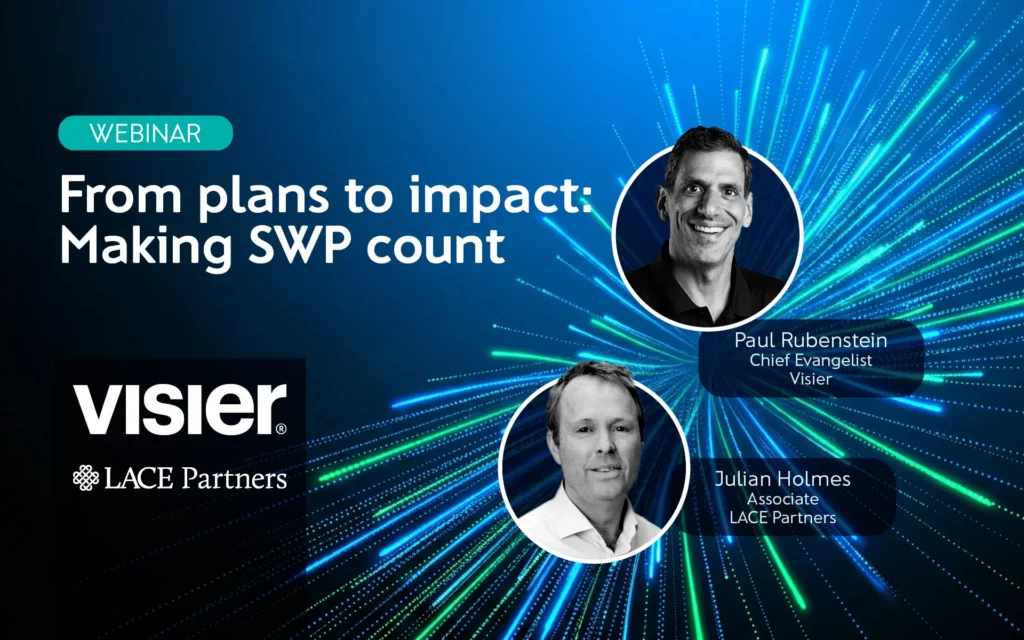
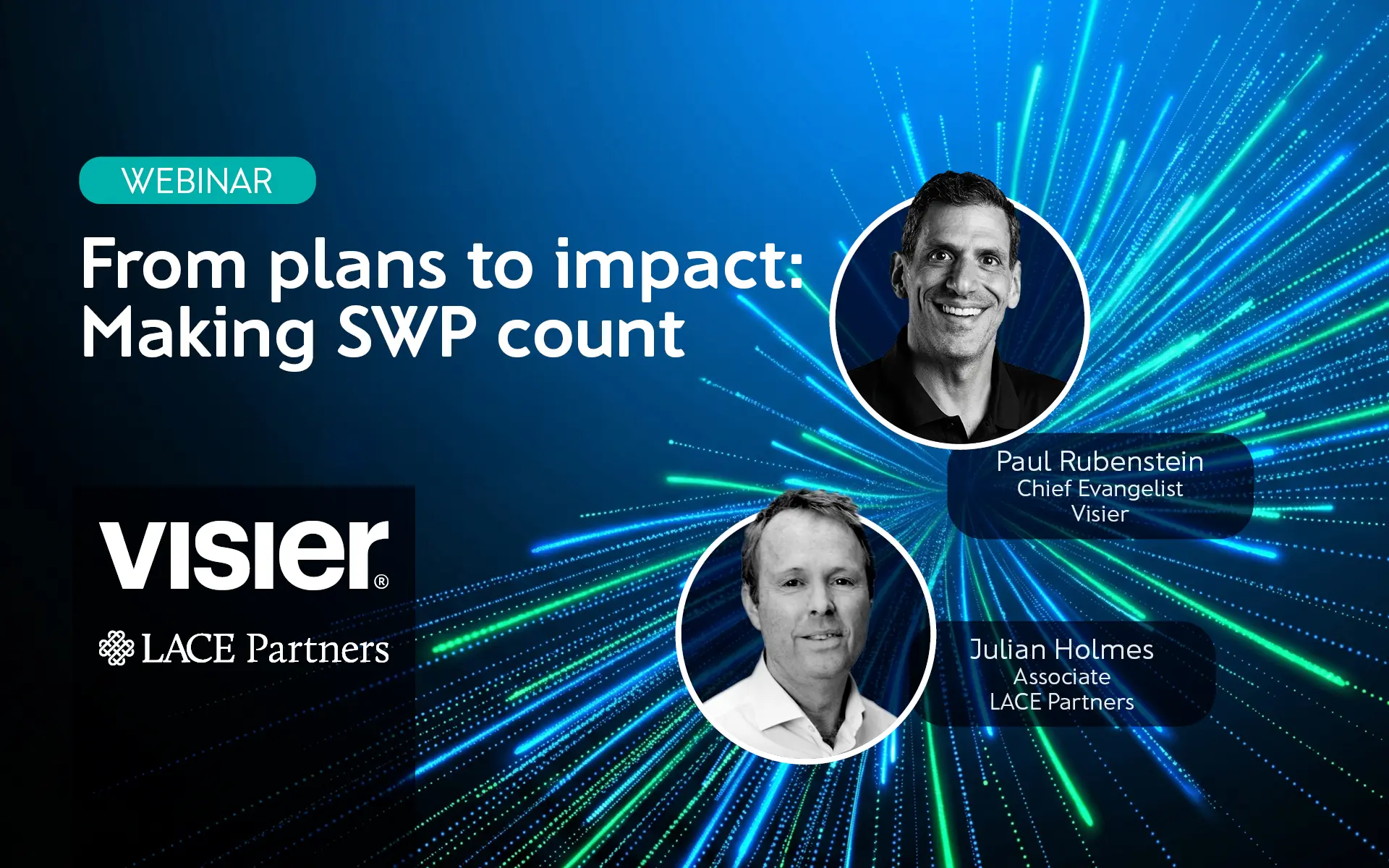
Strategic workforce planning has a habit of starting in the wrong place. Most programmes open with process, systems, or a data gap, and only get to the actual business question, what are we trying to achieve, once the machinery is already built. Julian Holmes, an Associate at LACE, and Paul Rubenstein, Chief Evangelist at Visier, spent an hour making the case for flipping that order.
Watch now:
The conversation ranges widely: why AI has turned an annual planning cycle into something teams now revisit monthly, why “zones of confidence” are a more honest planning tool than a single fixed target, and why the moment someone leaves a role is the best opportunity to redesign the work rather than simply refill it.
Two ideas worth taking away.
From Paul: “It’s not about how many FTEs or dollars you have, it’s the shape of the workforce, the skills, the spans and layers, the leadership capability.”
From Julian: “SWP is a joint business activity, not an HR-only exercise. If you find yourself doing this in isolation from finance and strategy, that’s not a comfortable place to be for the long term.”
If workforce planning is on your agenda for the second half of the year, this is worth the hour.